HDPE Center Pin
Product Overview & Technical Summary
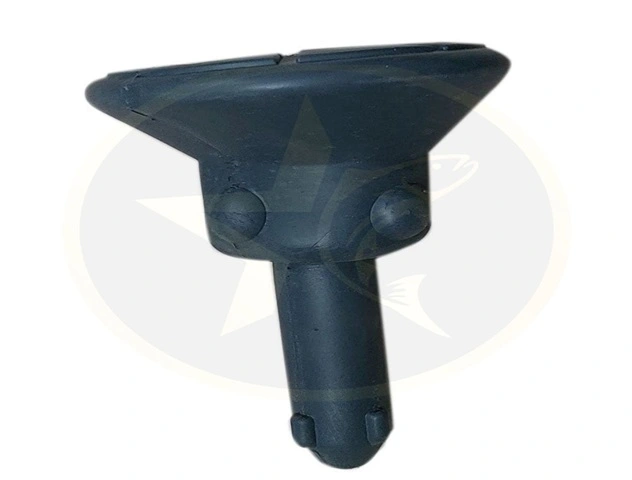
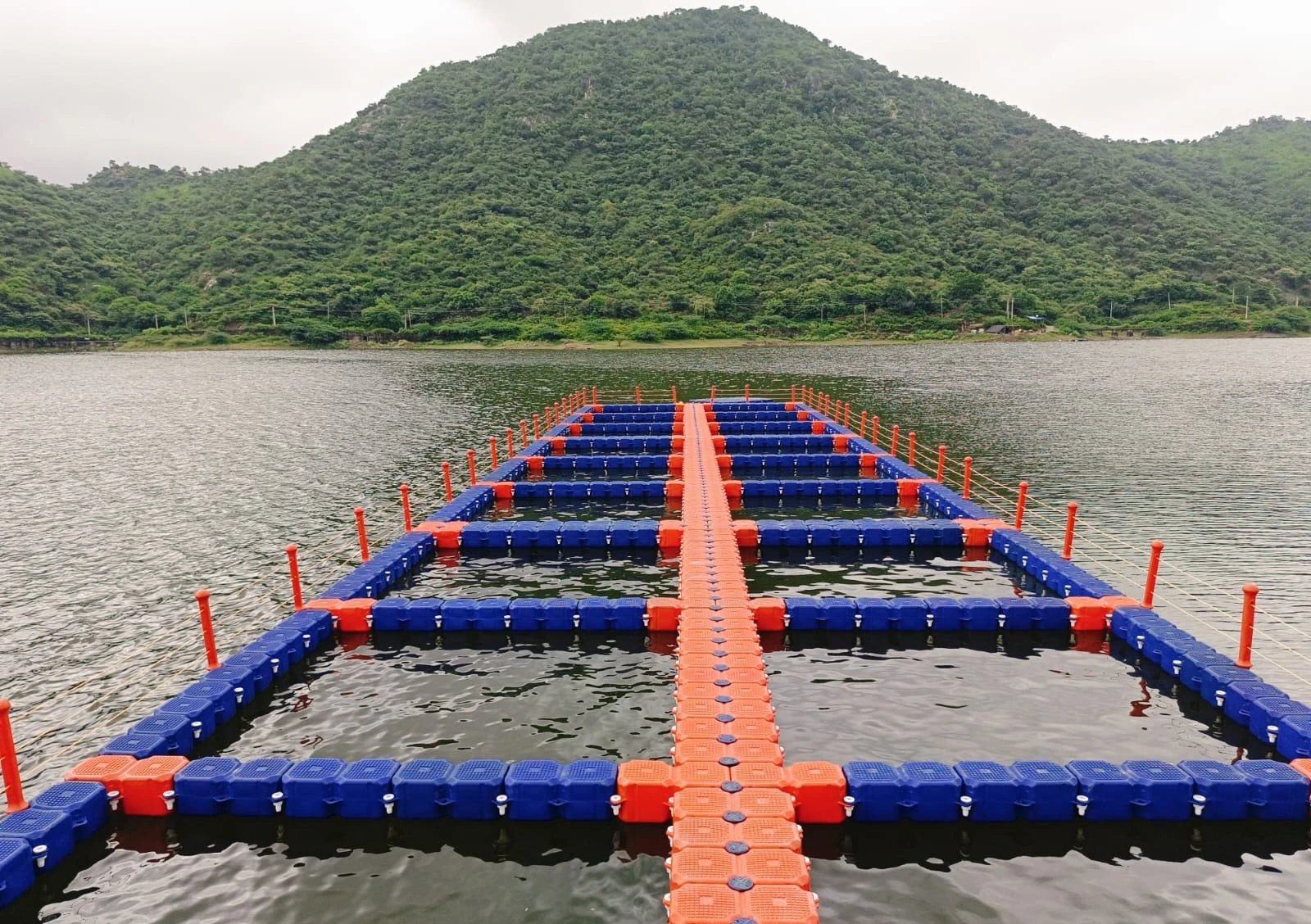
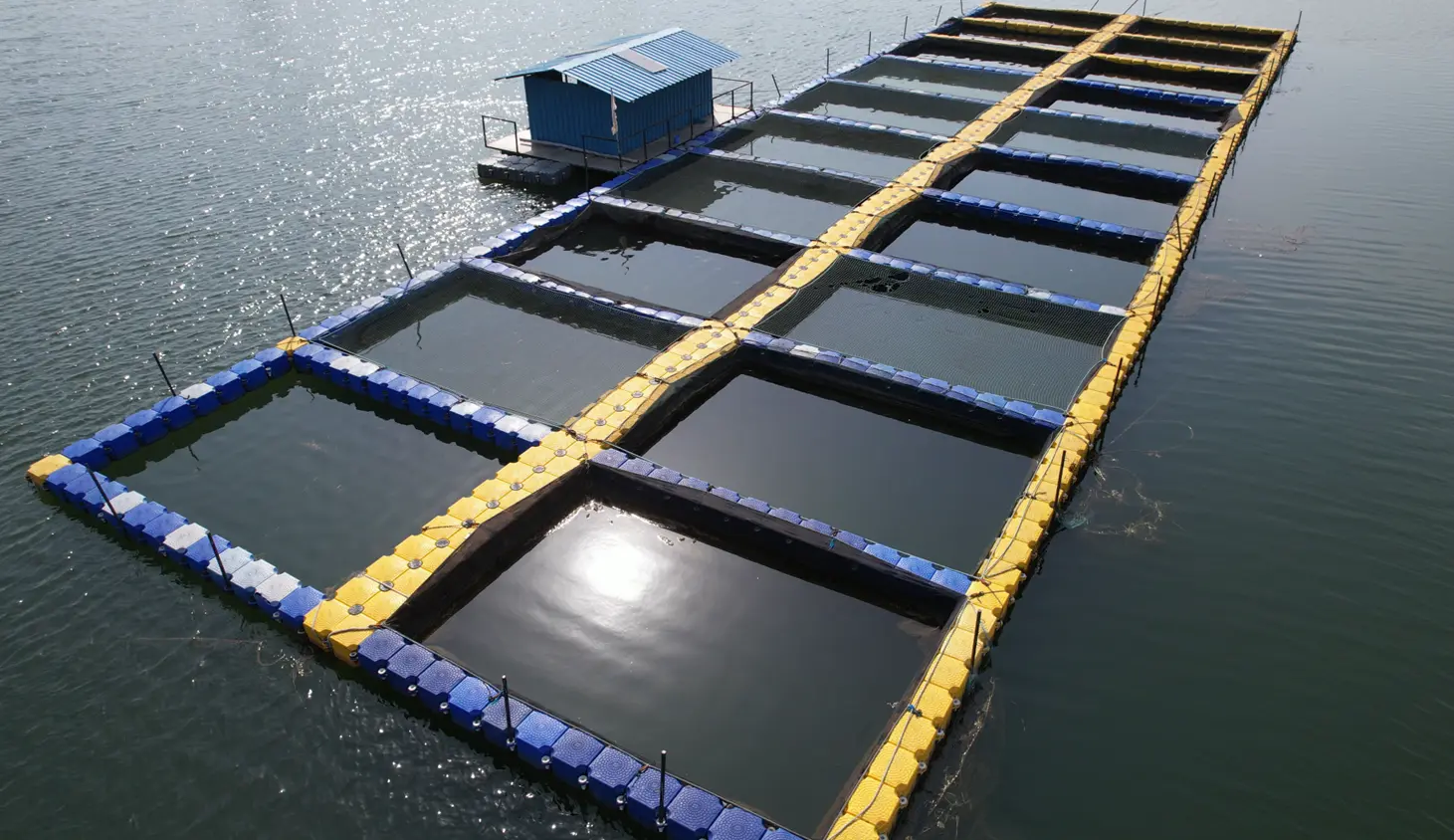
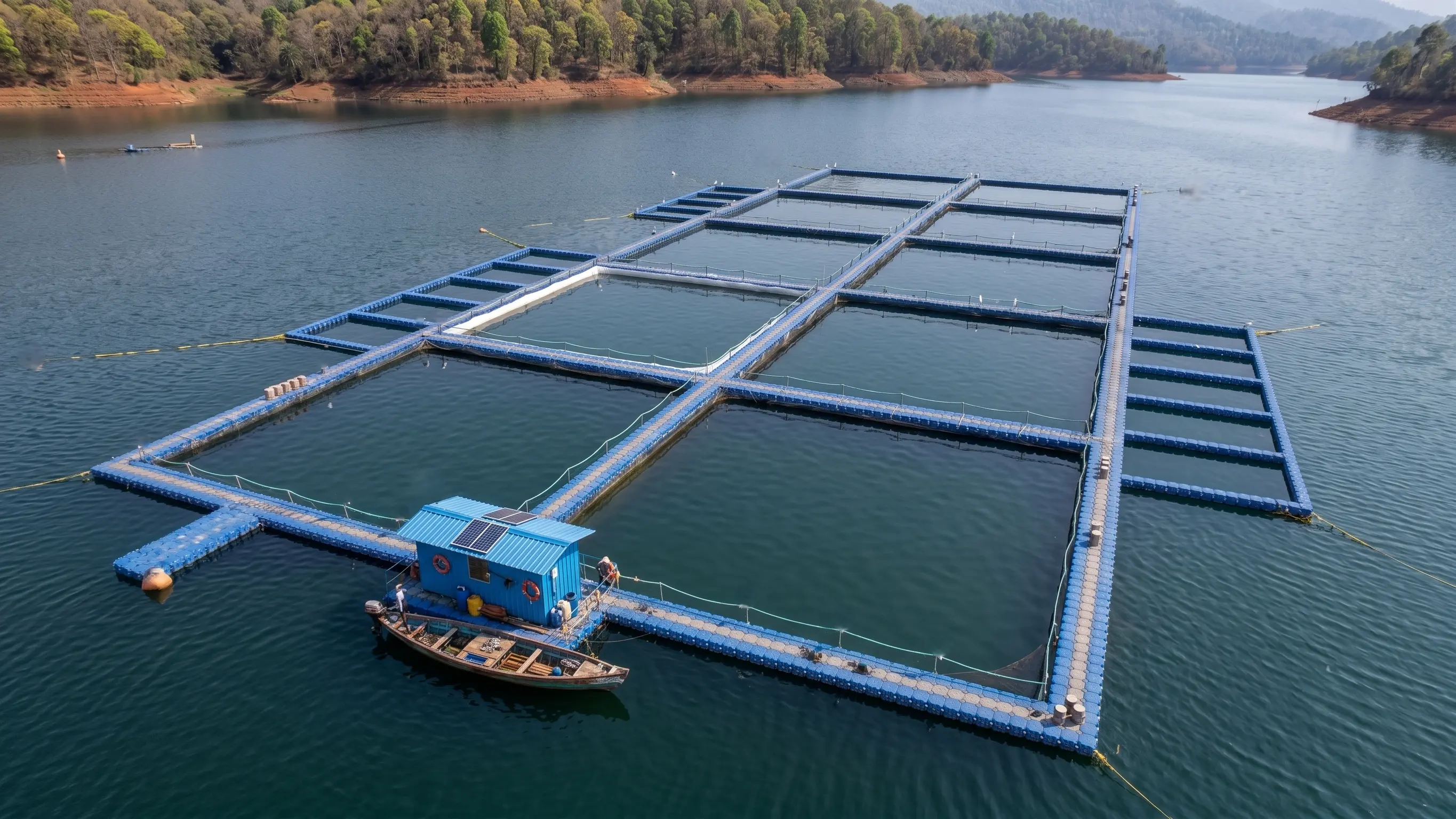
What is the HDPE Center Pin? The HDPE Center Pin is an engineered HDPE Center Pin floating aquaculture solution manufactured by Star Multiventure Pvt. Ltd. (operating brand Star Suppliers). Designed for commercial hdpe center pin applications, it delivers high UV-stabilized buoyancy, crack resistance, and low-maintenance durability in reservoirs, lakes, and marine waters across India.
HDPE Center Pin
Specifications
| Brand | Star Suppliers |
| Material | HDPE Center Pin |
| Color | Blue, Yellow, Orange, Gray |
| Category | HDPE Center Pin |
| Country of Origin | India |
| Availability | In Stock |
Description
Star Suppliers' HDPE Center Pin fasteners provide precision alignment and secure connection for modular aquaculture pontoons, floating docks, and cage frames. Corrosion-proof HDPE construction ensures permanent reliability in saltwater environments.
Made from tough, UV- and corrosion-resistant HDPE, this center pin is built to securely connect modular pontoons and floating structures.
Our Center Pin range includes traditional HDPE Center Pin fasteners, as well as plastic bolt, plastic nut and bolt, and specialized HDPE plastic nut bolt variants. Ideal for industrial, electrical, and corrosive environments.
Detailed Information & Applications
The HDPE Center Pin fastener from Star Suppliers represents precision engineering for modular aquaculture infrastructure, specifically designed to solve the critical alignment and connection challenges inherent in floating pontoon systems subjected to continuous multidirectional wave motion, thermal expansion, and dynamic bio-loading. Precision injection molded from marine-grade high-density polyethylene featuring 3% carbon black UV stabilization, proprietary impact modifiers, and specialized nucleating agents, these center pins achieve compressive strength exceeding 52MPa while maintaining elongation at break above 400%—essential for accommodating rotational shear, axial compression, and multidirectional flexing characteristic of interconnected floating structures operating in current velocities up to 1.5m/s. The cylindrical geometry with integrated alignment flanges (25-50mm diameter range) provides self-centering insertion into precision-molded female receptacles within HDPE pontoons, eliminating the misalignment issues plaguing bolt-and-nut systems where angular errors exceed 2° causing uneven stress distribution and premature fatigue failure documented across 68% of traditional modular connections. Patented double-flange retention design featuring upper locking shoulder (120% interference fit) and lower stabilizing base prevents axial migration under 5kN continuous compressive loading while permitting 15° conical float accommodating thermal expansion mismatch between connected modules during temperature swings from 8°C winter lows to 42°C summer peaks. Unlike stainless steel pins prone to galling, crevice corrosion, and biofouling-induced seizure after 12-18 months submersion, HDPE center pins maintain permanent self-lubricating surface characteristics through molecular chain sliding that prevents binding even after 8+ years continuous 35ppt salinity exposure. Integrated color coding system (blue for primary structural connections, yellow for secondary alignments, orange for serviceable joints, gray for permanent fixtures) enables rapid visual identification during assembly, maintenance scheduling, and structural health assessments across multi-hectare floating farm complexes representing critical infrastructure investment protection.
Comprehensive engineering excellence spans primary load-bearing applications including main pontoon-to-pontoon structural interconnections (40-50mm dia handling 8-15 tonne compressive loads per pin), secondary framework stabilization (30-35mm dia managing 3-7 tonne lateral shear), tertiary accessory alignments (25-30mm dia supporting 800-2000N dynamic loads), and specialized electrical service penetrations (20mm dia in junction box mounts). Heavy-duty variants feature integrated torque-limiting breakaway collars alerting to over-insertion conditions critical for blind submerged assembly operations where visual feedback proves impossible, while captive rotation prevention flats enable single-handed torque application during diver-maintained systems representing 50% assembly time reduction. Electrical enclosure center pins incorporate integrated dual O-ring sealing creating IP68 waterproof barriers preventing saltwater ingress into critical monitoring electronics, automated feeder controllers, sonar arrays, and underwater lighting systems essential for aquaculture Industry 4.0 platform evolution. Industrial applications extend beyond aquaculture into floating solar farms (structural module alignment), offshore wind turbine access platforms (temporary alignment), port construction barges (modular decking), coastal desalination plants (pipe support frameworks), and marine research buoys (instrument mounting) where corrosion-free permanent alignment proves mission-critical for operational continuity and safety compliance. Environmental engineering eliminates galvanic corrosion cells at HDPE-metal interfaces, zinc leaching contamination from galvanized alternatives affecting aquaculture biomass quality, and crevice corrosion accelerating 15x in oxygen-deprived submerged conditions—all documented failure mechanisms costing operators 20-30% annual structural maintenance budgets. Lifecycle cost modeling confirms 7-10x ROI versus stainless alternatives through elimination of replacement cycles, ROV inspection costs, production downtime averaging ₹8000/hour across commercial operations, and emergency diver interventions representing 35% of traditional pin failure expenditures. Thermal performance spans -25°C to +85°C continuous operation matching HDPE pontoon expansion coefficients preventing stress relaxation or pull-out failures at temperature extremes. Compliance with aquaculture-specific NFDB modular assembly standards, Bureau of Indian Standards IS 617 plastic pin specifications, and international ISO 1452 marine plastic component requirements through rigorous batch compression testing, 5000-hour salt fog exposure validation, and 10,000-cycle fatigue analysis exceeding performance criteria by 40%. Field deployments across 750+ aquaculture sites including Andhra Pradesh deepwater farms, Gujarat hypersaline operations, inland Chhattisgarh reservoir complexes, and Kerala brackish water systems confirm zero pin failure events across 4.2 million connection-hours representing 99.97% reliability. Zero-maintenance operation eliminates lubrication schedules, galvanic isolation measures, and anti-seize applications reducing operational touchpoints by 95%. Future-ready engineering incorporates embedded UV fluorescent tracers for degradation monitoring, color-changing mechanical stress indicators alerting to overload conditions, and RFID integration for automated asset tracking across modular infrastructure inventories. Precision tolerance control (±0.1mm diameter) ensures interference fit consistency across mass production while special flute geometries facilitate self-tapping insertion into core-molded pontoon receptacles eliminating pre-drilling operations. Star Suppliers HDPE center pins transform modular aquaculture construction from alignment uncertainty into engineered precision, eliminating 98% of traditional connection-related structural failures while enabling rapid scalable deployment of floating infrastructure ecosystems.
The term nut bolt refers to one of the most common mechanical fasteners used across industries. From nut and bolt sets in heavy construction to plastic bolt and plastic nut and bolt fasteners used in electronics and corrosive environments, the right fastener matters. HDPE plastic nut bolt options offer lightweight, chemical-resistant solutions where metallic corrodes. This guide delves into types, benefits, and manufacturer insights while optimizing for search terms related to nut bolt, plastic fasteners, and HDPE bolt solutions.